CAPE eGame
CAPE – Centre for Asia Pacific Excellence
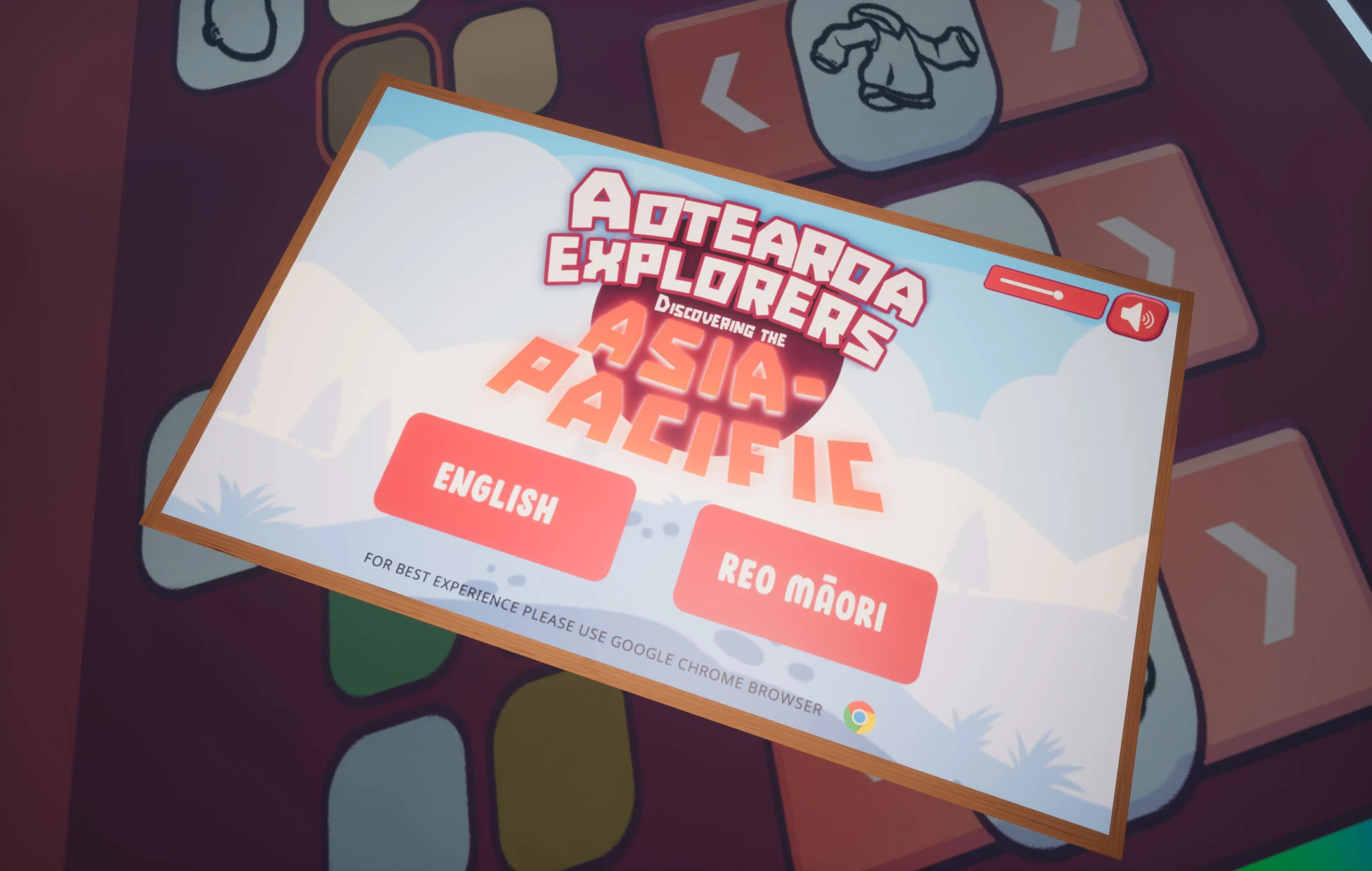
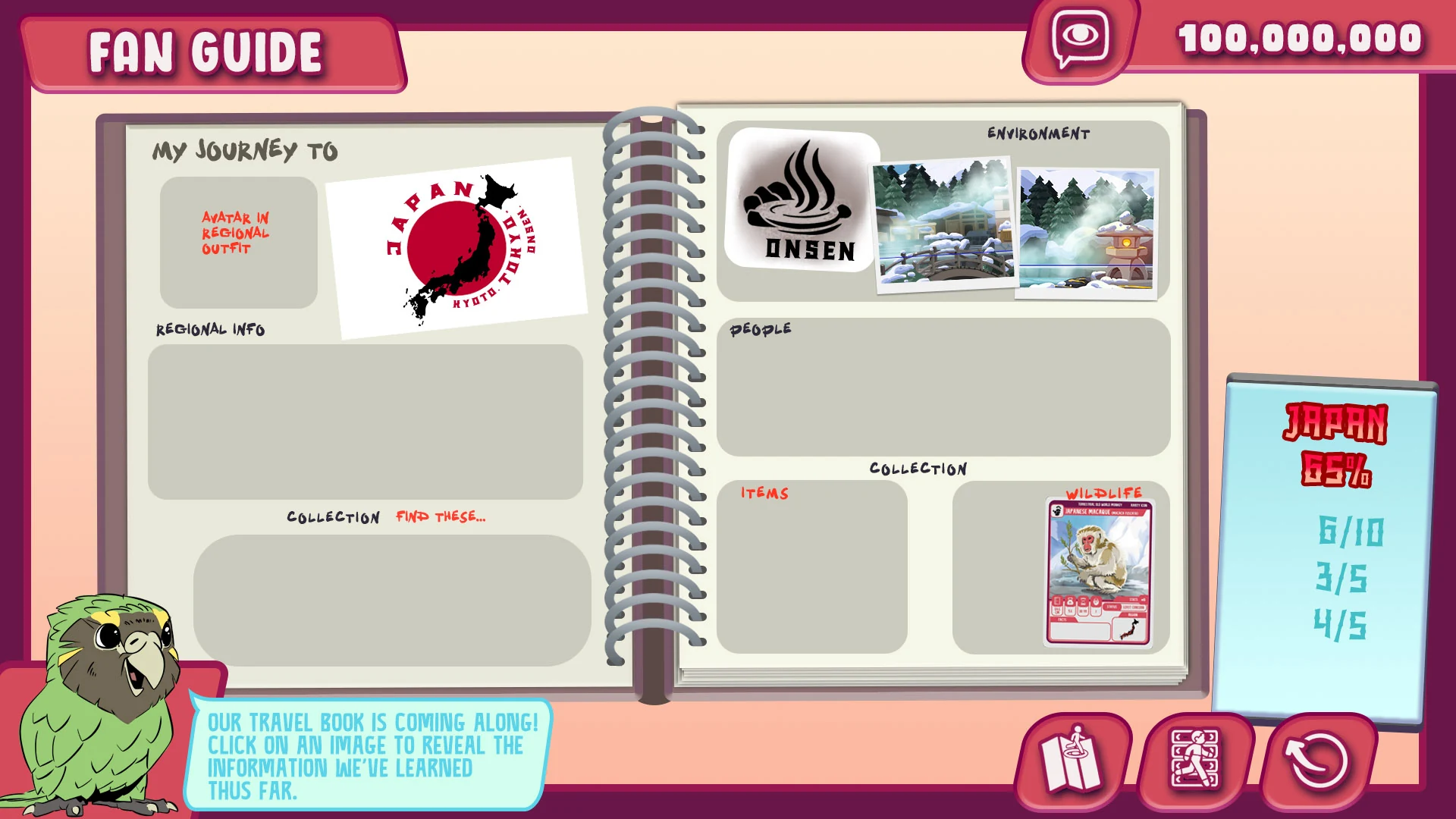
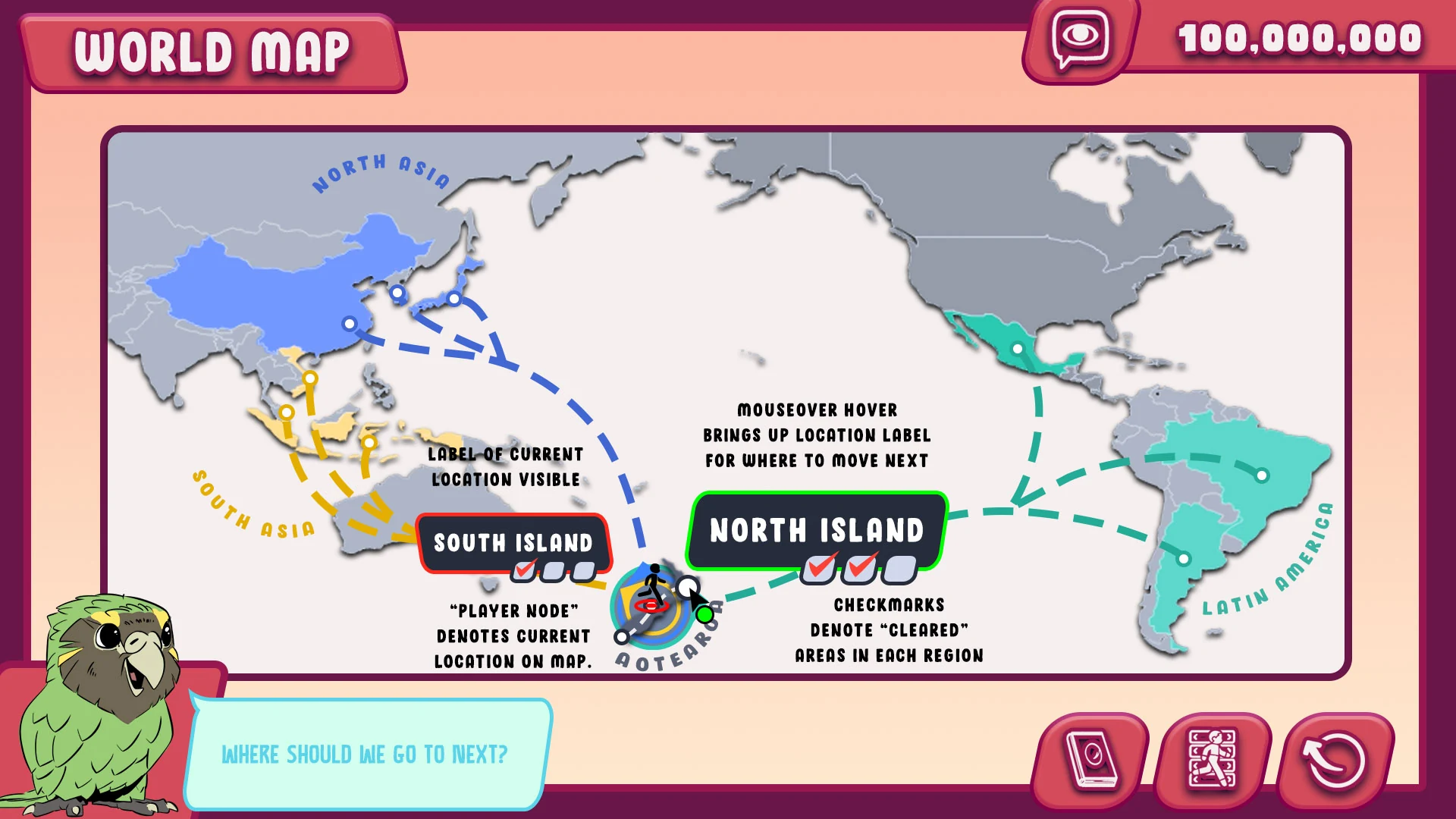
A multi-year, browser-based 2D educational game for NZ Year 5–6 learners, exploring Asian and Pacific cultures through interactive storytelling - among the most complex educational digital productions delivered by an independent Aotearoa studio.
Role
Deliverables
- Fully playable browser-based 2D educational game
- Interactive storytelling system and gameplay progression
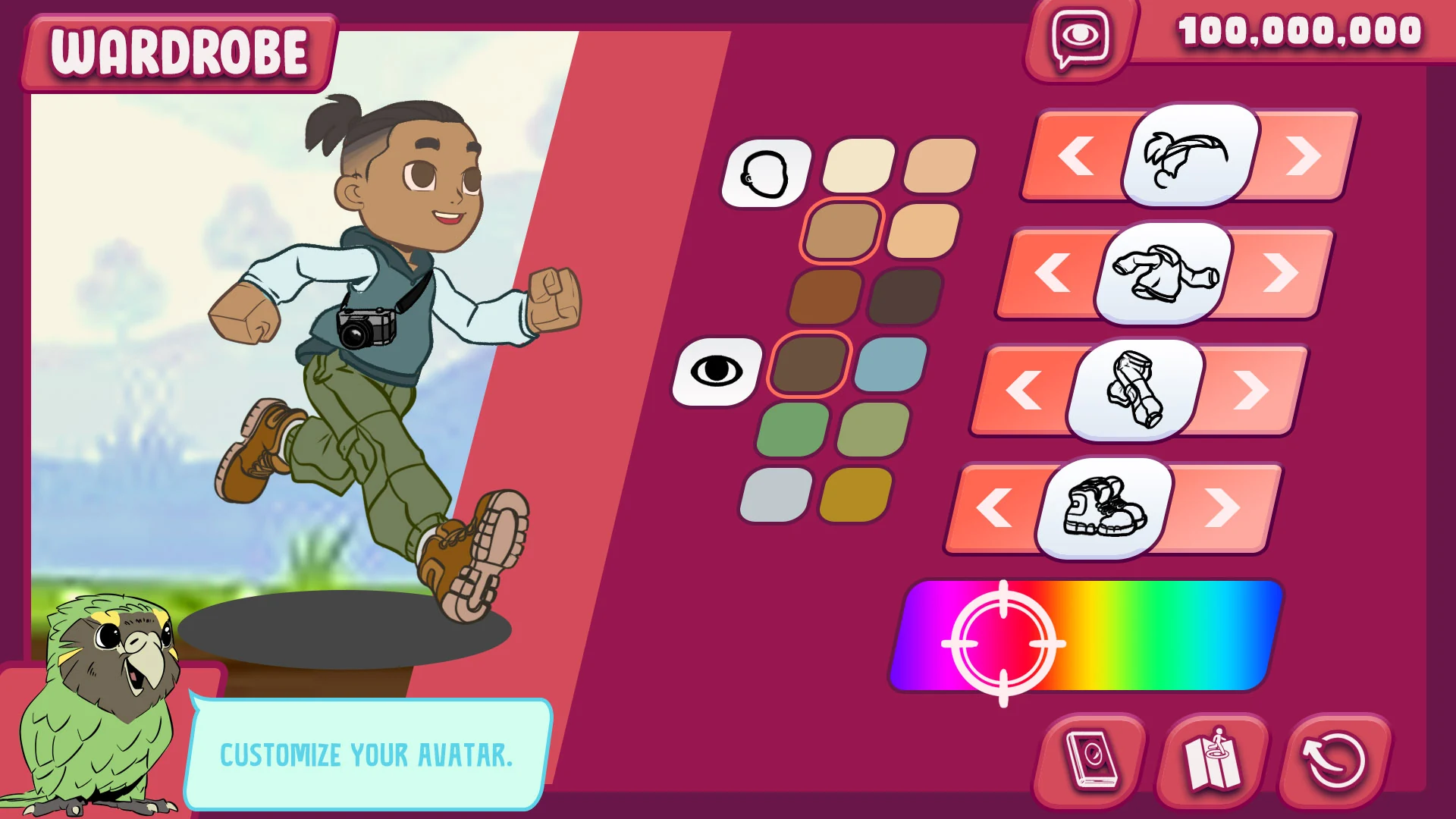
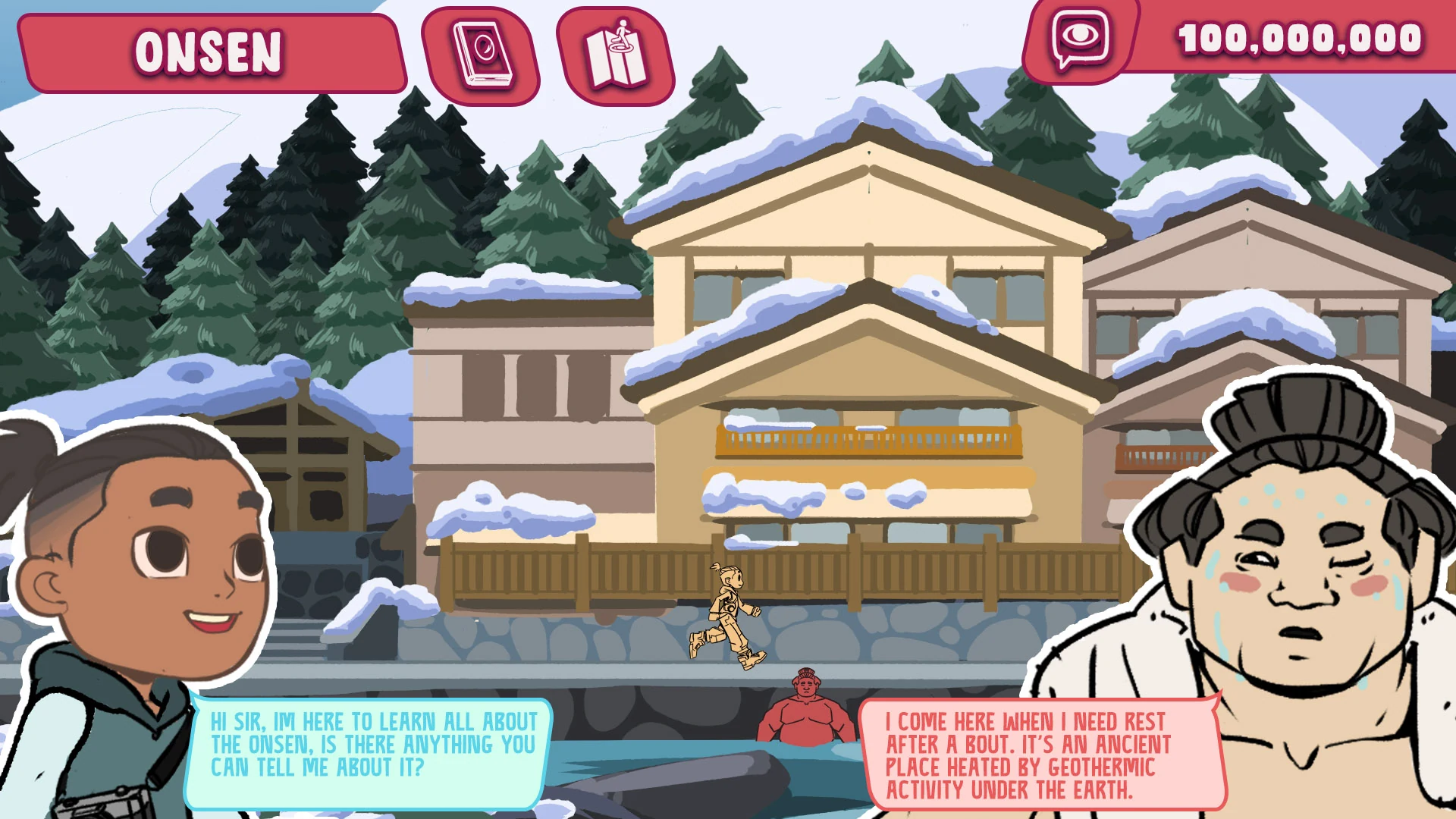
- Character and environment design across multiple cultures
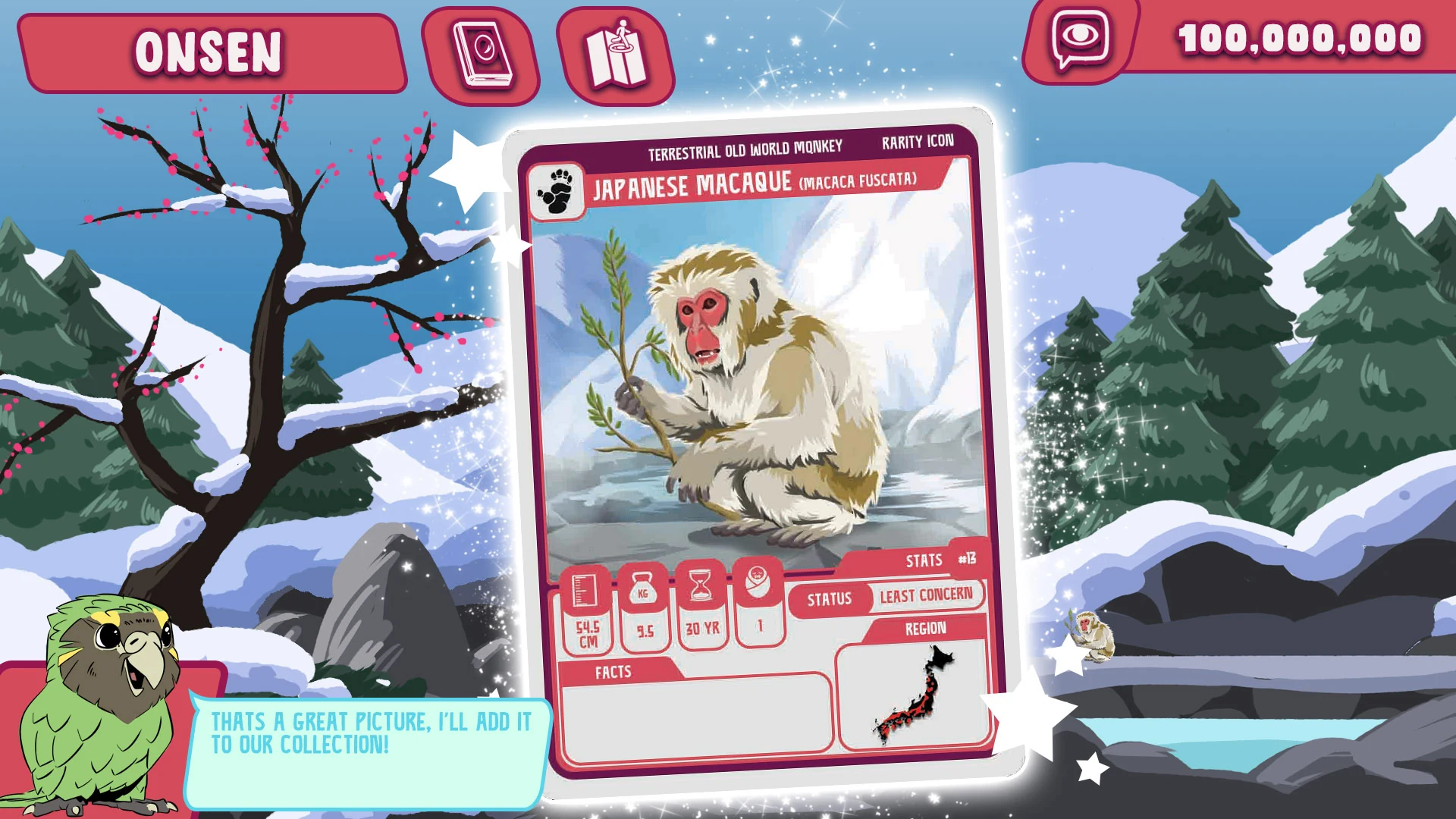
- Curriculum-aligned educational content integration
- Cross-device web deployment for NZ schools
Outcome
Delivered a fully playable, curriculum-aligned browser game deployable across NZ primary schools without specialist installation - the studio's largest and most technically complex digital production to date.
Project Overview
CAPE – Centre for Asia Pacific Excellence commissioned Māui Studios Aotearoa Ltd to design, develop, and deliver a browser-based 2D educational game for New Zealand Year 5–6 learners, supporting exploration of Asian and Pacific cultures through interactive storytelling and structured gameplay - a curriculum-relevant way for primary students to engage with the diversity of cultures that shape Aotearoa and the wider region.
The CAPE eGame is one of the most substantial projects in Māui Studios' history - a multi-year production spanning game design, educational content development, visual design, and web engineering, placing it among the most complex educational digital productions delivered by an independent Aotearoa studio.
Creating an educational game at this scale involved interlocking challenges. The educational challenge was to genuinely teach - creating curiosity, understanding, and retention about Asian and Pacific cultures rather than entertaining with cultural references as window dressing, aligned to the New Zealand Curriculum's social sciences learning area. The cultural challenge was significant: the Asia Pacific region encompasses extraordinary diversity that cannot be generalised or conflated without misrepresentation. The technical challenge was reliable performance across the inconsistent device and browser environments of New Zealand schools. The production challenge was the duration and scope - maintaining creative consistency, stakeholder relationships, and quality across a timeline most creative projects never approach.
SOW Snapshot
- Core Deliverables: Fully playable browser-based 2D educational game - game design, interactive storytelling system, visual design, character and environment design, educational content integration, web engineering, testing, deployment
- Audience: Year 5–6 learners (ages 9–11) in New Zealand primary schools - teachers using the game as a classroom and curriculum resource
- Format: 2D browser-based web game - accessible across standard school IT environments without specialist hardware or software installation
- Production Duration: Multi-year sustained production
- Key Requirements: Educational alignment to the NZ Curriculum, age-appropriate content and interaction design, cultural accuracy across multiple Asia Pacific cultures, teacher utility, technical accessibility across school device environments
- Service Connection: Websites and Apps, Visual Design, Educational Resources, Immersive Design, Strategic Communication
Outcomes
Māui Studios structured the CAPE eGame around interactive storytelling - placing learners inside narrative-driven scenarios where engagement with Asian and Pacific cultural content was the mechanism of progression, not a supplementary element. Cultural encounters were designed as experiences to navigate and interpret rather than information to receive, creating the conditions for curiosity and genuine learning. The visual design system reflected the aesthetic richness of the cultures represented through considered research and consultation rather than stereotype, within a unified game aesthetic that Year 5–6 learners would find engaging and navigable.
Teacher utility was designed in from the outset, with progression, content, and curriculum connections teachers could plan around - making the resource a genuine classroom tool rather than an optional activity. The technical architecture was built for the browser from the ground up, prioritising performance, compatibility, and reliability across the range of devices in New Zealand schools without sacrificing quality.
Māui Studios delivered a fully playable, curriculum-aligned, browser-based 2D educational game - deployable across New Zealand primary schools without installation or specialist support. It represents the studio's largest and most technically complex digital production.
Impact
Intended Outcomes
- Increase Year 5–6 learner awareness, curiosity, and understanding of Asian and Pacific cultures
- Provide New Zealand primary schools with a curriculum-aligned digital resource that is genuinely useful in classrooms
- Reduce barriers to cross-cultural understanding through accessible, engaging interactive storytelling
- Support CAPE's mandate to strengthen Asia Pacific literacy across New Zealand education
Broader Impact
- Demonstrates that Aotearoa has the creative and technical capability to produce world-class educational games within the country - for its own learners, curriculum, and cultural context
- Sets a benchmark for publicly commissioned educational digital production given appropriate scope, time, and investment
Usage and engagement data are held by CAPE – Centre for Asia Pacific Excellence.
Future Opportunities
- Expanded game content - additional cultures, levels, or storylines extending the existing platform
- Secondary school adaptation - an age-appropriate version for Years 7–10
- Teacher resource expansion - curriculum unit plans, assessment tools, and follow-up activities
- Mobile adaptation - a native app version for tablet and mobile deployment
- International distribution through Asia Pacific education networks and CAPE partnerships
References
- CAPE – Centre for Asia Pacific Excellence. (2024). Asia Pacific education in New Zealand. https://www.cape.org.nz
- Ministry of Education. (2024). The New Zealand Curriculum - social sciences learning area. https://nzcurriculum.tki.org.nz/The-New-Zealand-Curriculum/Social-sciences
- New Zealand Game Developers Association. (2023). The New Zealand game development industry. https://www.nzgda.com