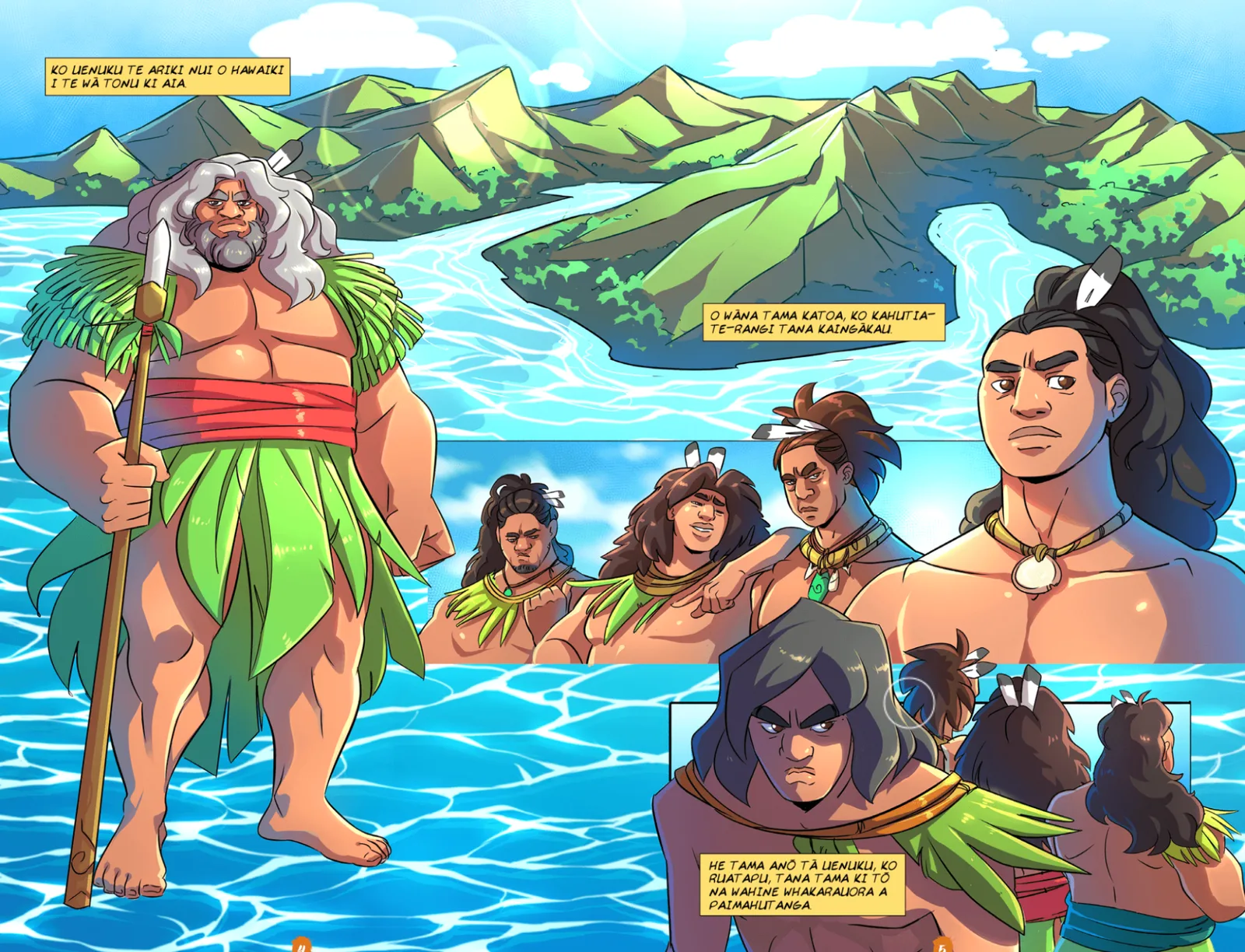
What it takes to make a kaupapa Māori comic
That is what kaupapa Māori comic production looks like in practice.
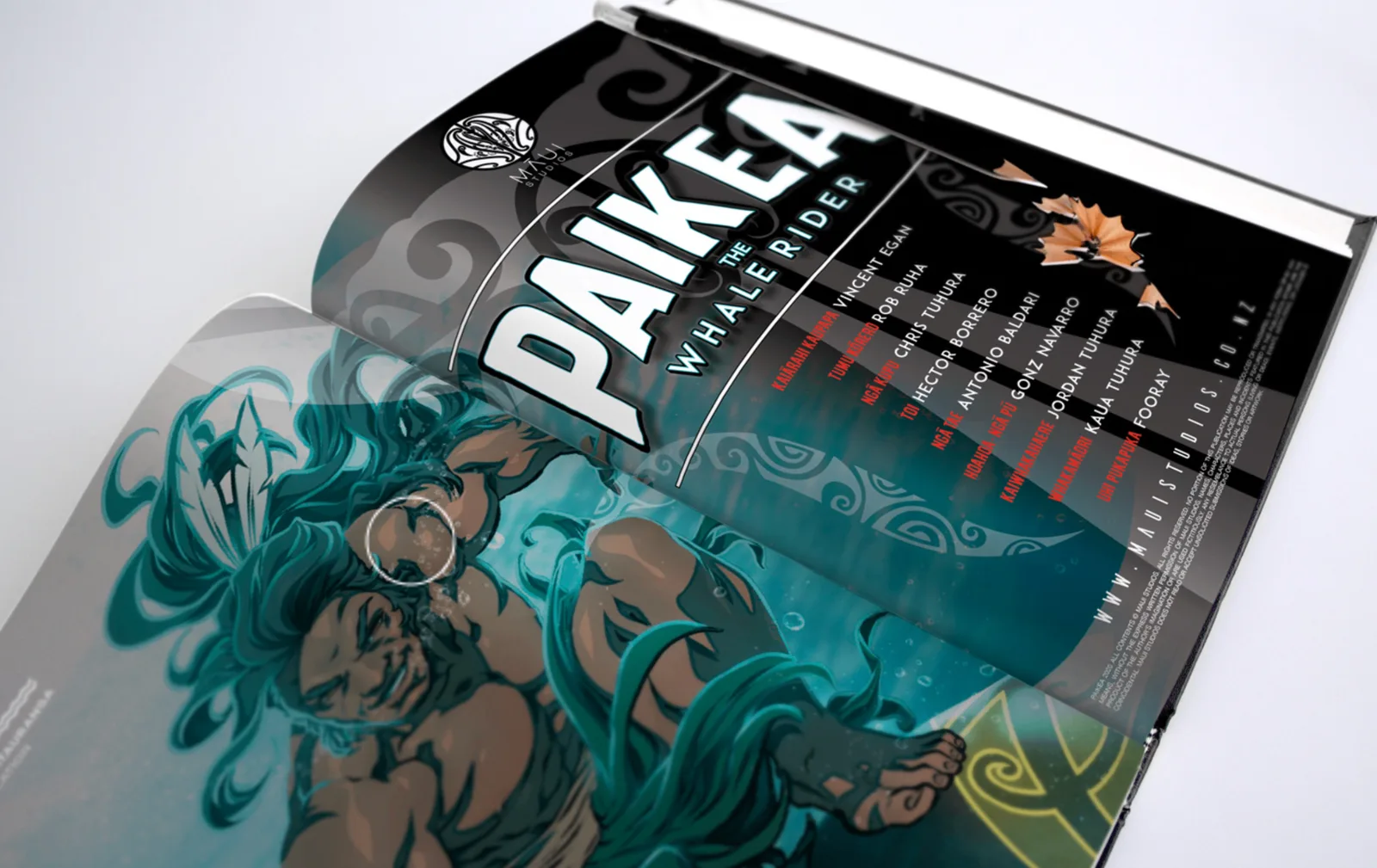
Most people think the comic starts when someone picks up a stylus ( pencils for the OGs). Nah it shouldn’t.
It starts before the script, before the first character sketch. It starts with the harder questions: who holds this story, who has the right to tell it, who needs to be involved, and what does this character, place, atua, ancestor, waka, or whakapapa mean to the people it belongs to?
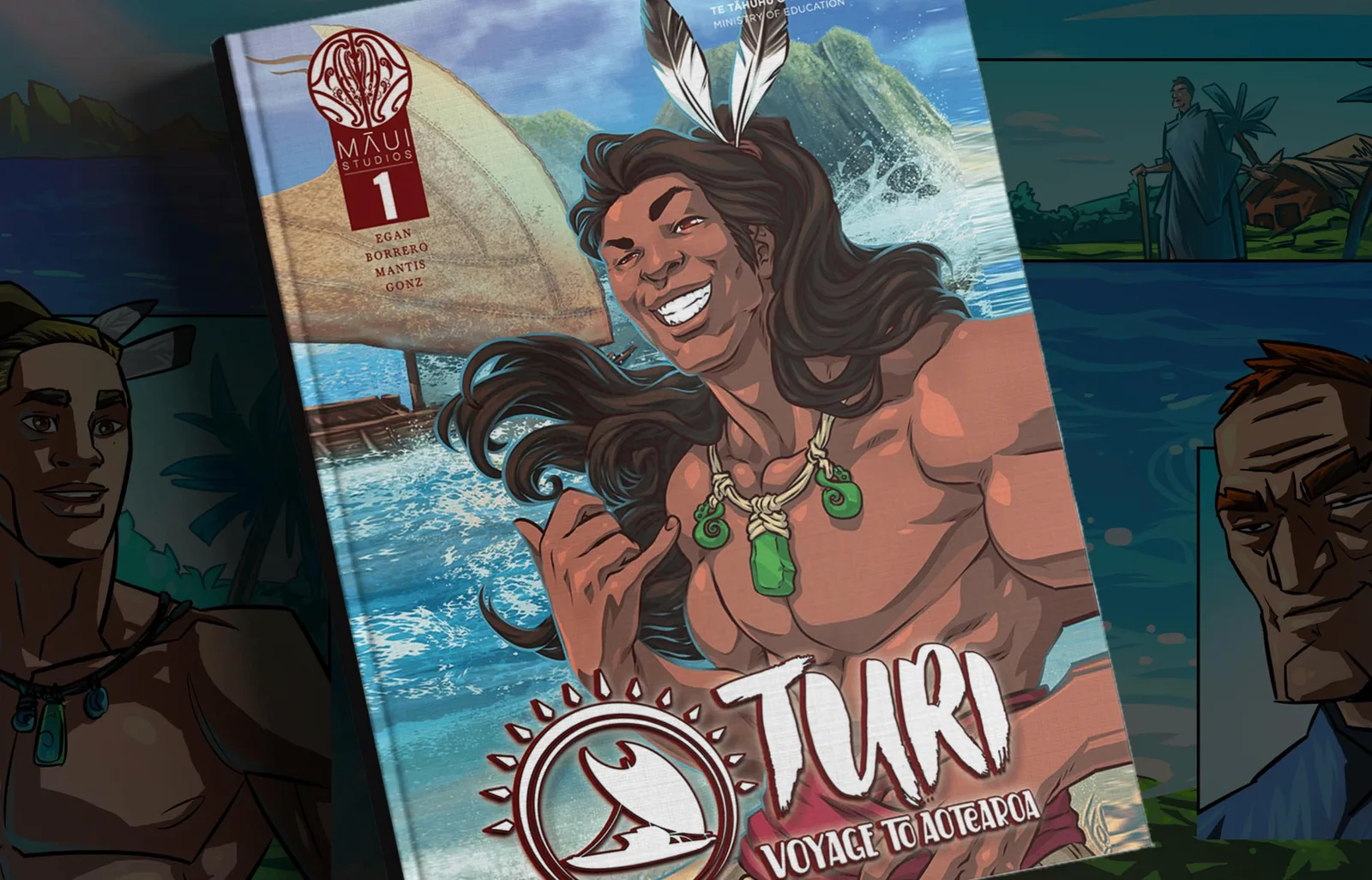
That is the bit most studios skip. Yet at Māui, that is where the mahi begins.
We call our process Tā Aronui - this kaupapa Māori visual design methodis used for making work that is not just visually strong, but culturally grounded, reviewed, and defensible. This method comes from years of wānanga, kōrero, influence from artists, whānau, cultural advisors, and our own experience, into this current form.
The kupu comes from ta which can be to print, publish, carve out etc and kete aronui, basket of knowledge of aroha, peace and means of creation.
It moves through four phases and six stages.
01 - Te Ao Tūroa: the enduring world
This is what has come before. The first stage is Stage 01: Whakapapa - establishing lineage, authority, and custodianship. Where the work comes from, who holds mana over it, and who carries it forward. The kaupapa needs to be built on a solid foundation of rock.
02 - Te Kore: the realm of potential
This is the void before form. The second stage is Stage 02: Wānanga - seeking, gathering, and discerning alongside custodians and beneficiaries. This is where we surface the knowledge the work actually needs, not just the knowledge one can assume it needs.
03 - Te Pō: the realm of becoming
This is where the work takes shape through three connected stages. Stage 03: Iho is the core visual idea at the heart of the work. Stage 04: Tohu is the primary visual identifier that carries meaning. Stage 05: Pae is the system extended across applications and formats. By the time we are drawing final pages, the cultural foundation is already doing its job.
04 - Te Ao Mārama: the world of light
This is the work released into use. The final stage is Stage 06: Whakamana - cultural review, formal sign-off, and ongoing care after release. The work does not just get exported and forgotten. It is checked, affirmed, and held properly before it goes out.
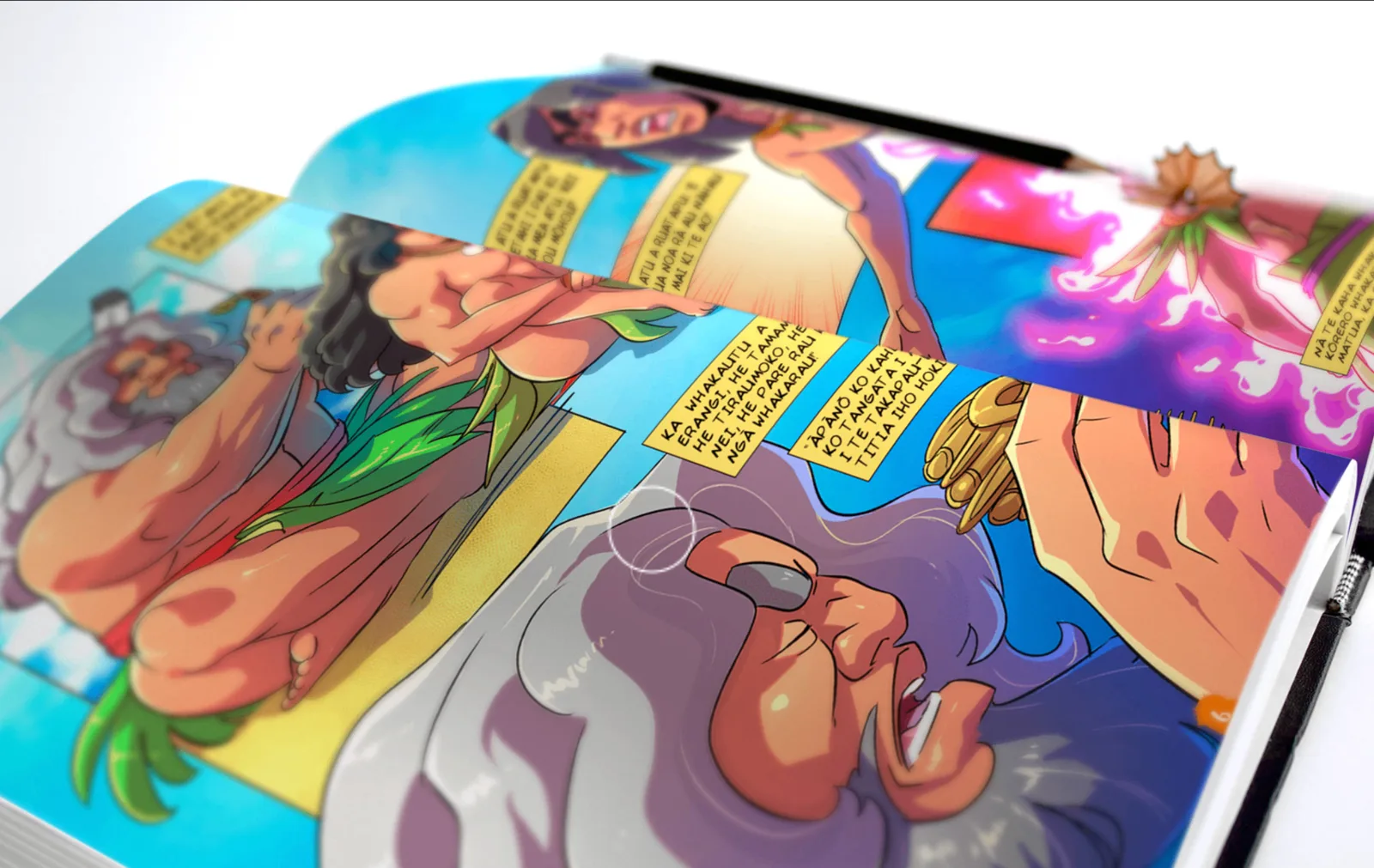
That is what kaupapa Māori comic production looks like in practice.
Kaumātua, custodians, and the right people review the narrative, characters, environments, and whakapapa connections while the work is being shaped, not an after thought.
Cultural review happens before final illustration, not after everything is already locked. This isn’t an aspiration of ours. It’s a lived experience.
Bilingual design is built from the start, not translated at the end. When we produce in te reo Māori and English, te reo affects lettering, layout, reading flow, typography, balloon design, and page structure.
AR is planned at the layout stage, not bolted on afterwards (We’ve made this mistake before).
And the work has to hold across different formats: print, AR, animation, online learning, exhibitions, and teacher resources. Each one has different needs, users, and constraints. The job is to build one coherent world, grounded in the kaupapa, that can stretch across all of it without falling apart.
We have made comics and illustrated storyworlds for the Ministry of Education, iwi, science institutions, community organisations, and our own IP - check out our catalog of mah.
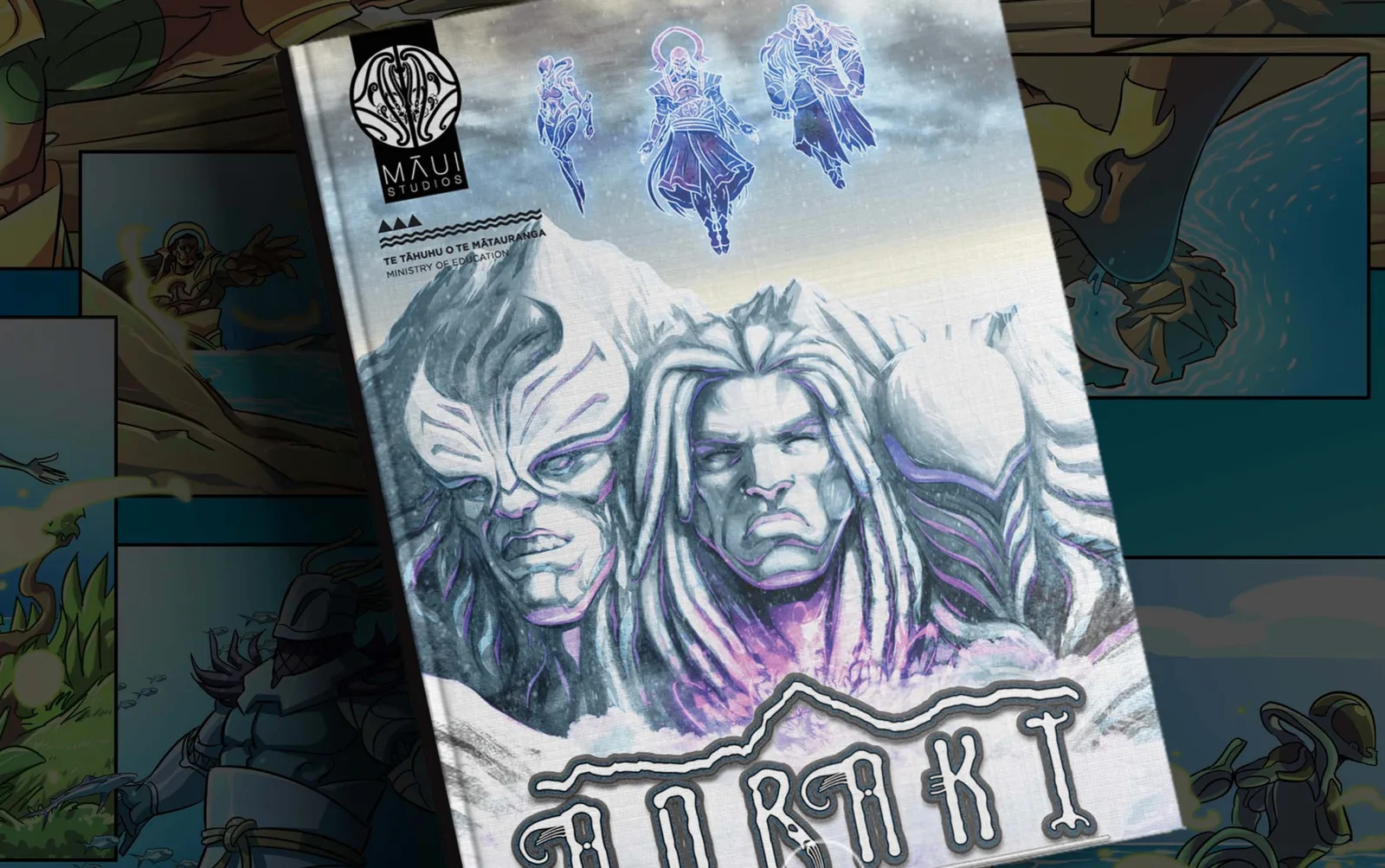
This is not a comic with a few macrons added at the end. It is not an illustrated resource where cultural sign-off happened through a comms team. It is story, design, language, technology, and cultural authority held inside one system.
We do this every year. We have been doing it for nearly a decade.
So much so, that some consider: Māui Studios is Aotearoa’s leading kaupapa Māori comic studio.
It looks like we have produced more kaupapa Māori comics, graphic novels, and illustrated cultural resources than any other studio in the country. And we might be the only studio bringing together cultural authority, Tā Aronui methodology, full studio production capability, and cross-format extension into animation, AR, and education under one roof.